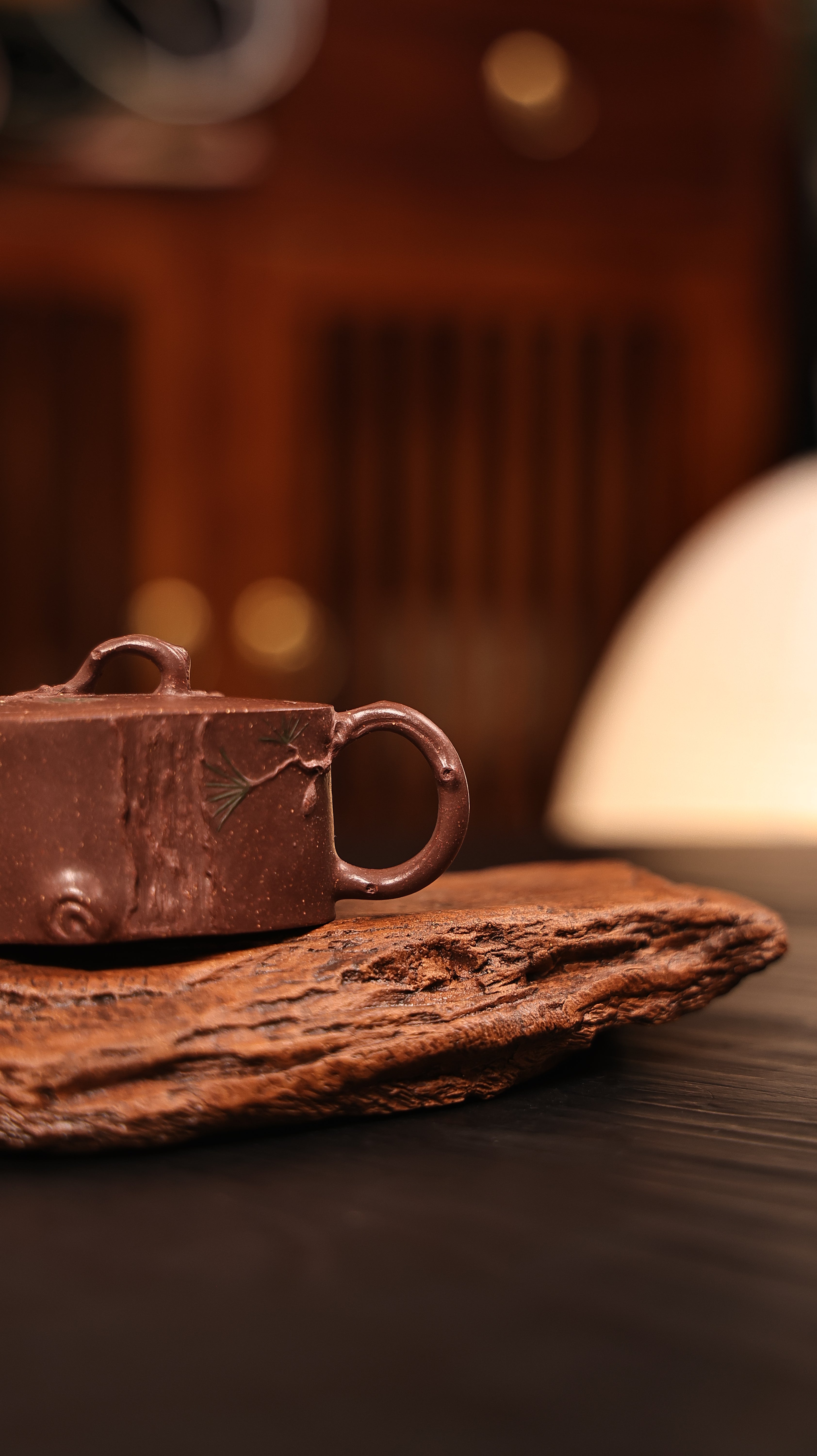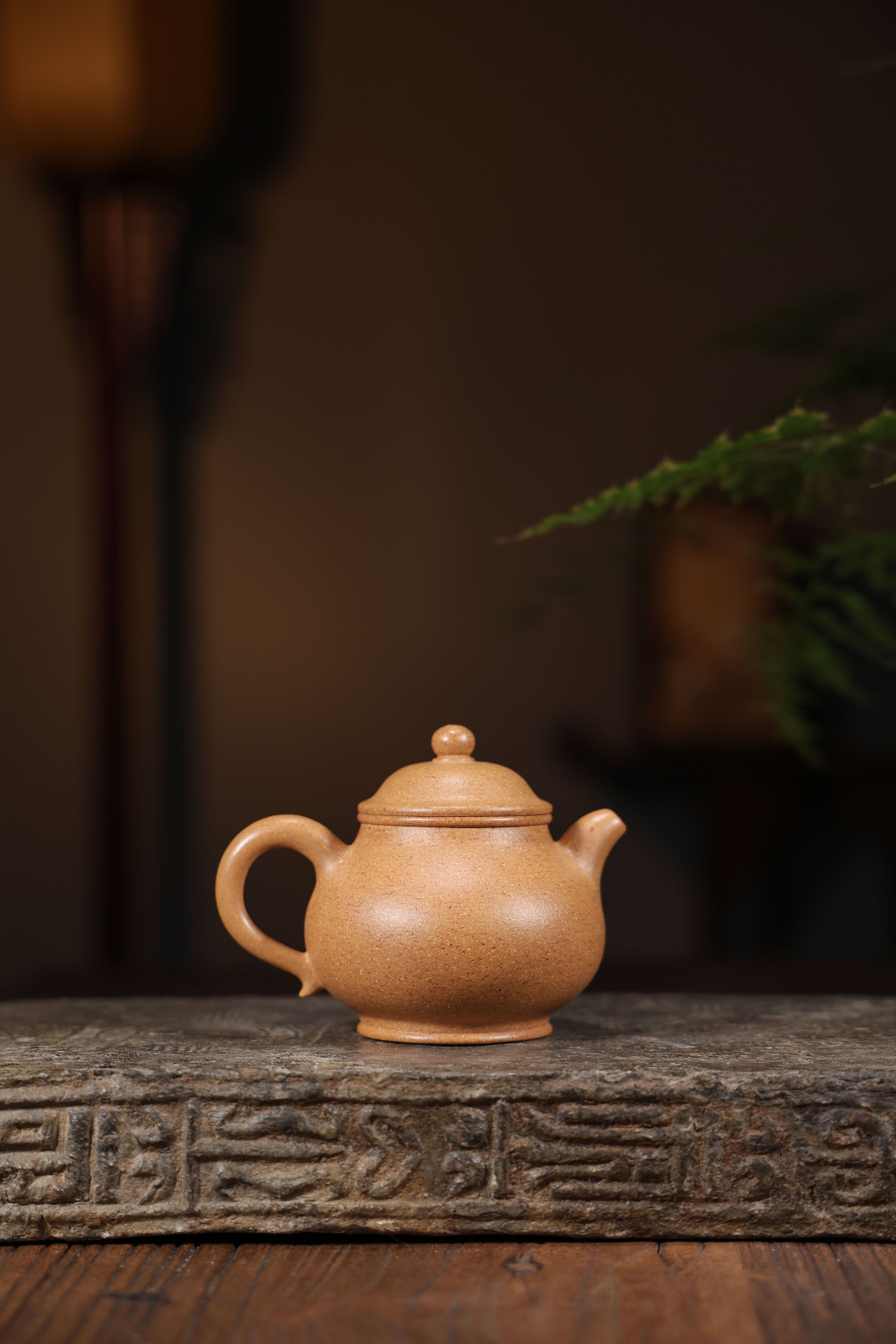
Amidst endless eras of heritage,
Following generations, heritage seekers have been captivated by the exceptional charm of Yixing Zisha urns. Originating from the zone of Yixing in China, these wares are renowned for their notable beauty, unusual clay, and essential ability to raise the palate of the concoction. The ground's distinctive mulberry hue, combined with the skillful production of environmental fabricators, creates artworks that are at once functional productions and treasured financial interests. Obtaining a Zisha teapot is more than just such a purchase; it's inviting a rich ancestral heritage.
Investigating Yixing Teapots: Chronicles, Types, and Esteem
Yixing region's teapots embody a fascinating tradition deeply intertwined with Chinese culture. Originating in the Yixing region of Jiangsu province, these clay vessels carry a heritage connecting back to the Ming Dynasty. Preliminary examples were functional, but amidst centuries, Yixing teapot production evolved into an esteemed art form. The clay itself, known for its unique texture and ability to improve the flavor of the tea, lasts a defining factor. Yixing teapots emerge in various patterns, broadly categorized by shape: Traditional such as Zhuni (purple clay) and Bisheng, as well as more designs. The significance of a Yixing teapot rests on several factors, including the potter’s name, the age of the piece, the rarity of the clay, and its aesthetic appeal.- Account: Ancient times
- Substance: Bisheng
- Value Factors: Craftsman's renown
Mastering Zisha: Tactics and Builders
Unique construction of a genuine Zisha teapot is a elaborate process, requiring periods of experience. Seasoned artisans meticulously source the excellent Zisha clay, a uncommon earth found only in specific regions of China. Established techniques, often relayed through families, involve careful shaping, sensitive carving, and methodical firing in ancient furnaces. The definitive teapot isn't merely a container; it's a testament to expressive vision and the significant connection between the fabricator and their roots. Each artifact showcases the unique touch of the specialist, resulting in a truly unparalleled work of masterpiece.
Traditional Artefacts: Uncovering the Comprehensive Customs of the Yixing Territory
Renowned Yixing, established in Jiangsu the region, is extensively Chinese Teapot renowned for its exceptional teapots – a tangible representation of centuries of Chinese tradition. These aren't merely vessels for processing tea; they are intricate works of craftsmanship, often reflecting ideological ideals. The unique purple clay, known as Zisha, possesses extraordinary qualities: the element dense, breathable, and imparts a subtle essence to the tea.
- Plentiful dynasties have honed the techniques of Yixing jar making, passing down exclusive methods through ages.
- Devotees prize these pieces for their grace and scarcity.
- Several urn tells a story, connecting the enjoyer to a rich background.
Investing in Yixing Zisha: Important Factors
In the process of assessing procuring Yixing Zisha vessels, various criteria expect careful evaluation. Primarily, the component's color is crucial; authentic Zisha generally exhibits a particular carmine depth. Also, consider the handiwork; well-defined details and a refined finish imply experienced creation. In conclusion, review the craftsman's standing; well-known names garner elevated costs and often deliver a stronger yield.
How to Brew Premium Tea with Zisha Clay
Creating sumptuous tea with a Zisha jar is more surpassing a simple technique; it's an mastery. Zisha clay, famous for its unique geological composition, imparts a delicate character to the finished tea that’s often wanting with other implements. The suitable water level is required; typically, gentler than what's used for black tea, to preserve the tea's smell and nuance. Consider mindfully the tea sort; delicate green teas or aged pu-erhs flourish from the Zisha’s ability to soften their basic edge. It’s critical to preheat the teapot ahead of brewing, and to avoid over-steeping. Mastering this procedure leads to a veritably exceptional tea occasion.
- Understanding Zisha Clay
- Temperature Control & Tea Sort
- Role of Pre-treatment
Preserving Your Yixing Earthenware
So as to ensure the persistence of your valuable Yixing teapot, systematic preservation is absolutely mandatory. Refrain from using synthetic products; instead, carefully wash it with mildly heated fluid. Ward off rapid heat; please don't put the earthenware directly onto a fiery stand. Periodically, mature the container by immersing it with choice aged steep, as this aids to strengthen its personality and guards the inimitable essentials of the earth.
With respect to Soil to Chalice: The Path of a Famous Teapot
This creation of a Zisha teapot is a notable technique, a indication to both the land’s bounty and the competence of the artisan. It initiates with the exact extraction of the special clay from the mauve Zisha mines not far from Yixing. This natural material, known for its magnificent qualities, is then deliberately filtered and prepared for the primary forming. The urn’s shape is carefully built using a concoction of ancient molding strategies, often incorporating intricate embellishments. Following ripening, the jug undergoes a critical first firing, preceded by a finishing stage, which might involve a series of layers of pure Zisha slips. Finally, a second, and sometimes third, firing at extreme temperatures finalizes the product, revealing its finished beauty and fantastic characteristics - a true masterpiece, available to adorn a tea practice.
{Yixing Teapots: A Manifestation of a Way of Life and Honoring
This Yixing teapots, originating from the celebrated Yixing region of Jiangsu province, are far more than mere pots for brewing brews; they represent a major aspect of Chinese traditions. Produced from distinctive purple clay – zisha – these uncommon teapots are highly admired for their ability to refine the flavor of the tea and, crucially, for their elegance. The chronicle of Yixing teapot making spans centuries, and the technique involved is entrusted through generations, making each teapot a cultural artifact that embodies lasting techniques and a profound appreciation for the pure pleasures in life.