Opting technical carriers is paramount for elevating development capability across a comprehensive array of sectors. This manual provides a complete inspection of typical forms – including activated barriers, clay colloids, and polymers – elucidating their exclusive traits and appropriate purposes. We'll address fundamental construction operations, distributor choice principles, and contemporary industry changes, securing you to achieve judicious judgments for your specific criteria.
Earth Adsorbents: Specifications, Employments & Leading Sellers
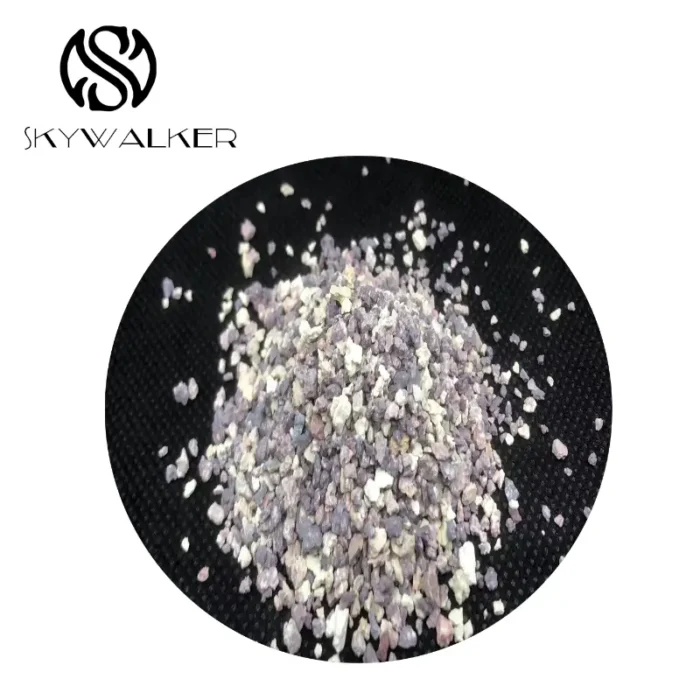
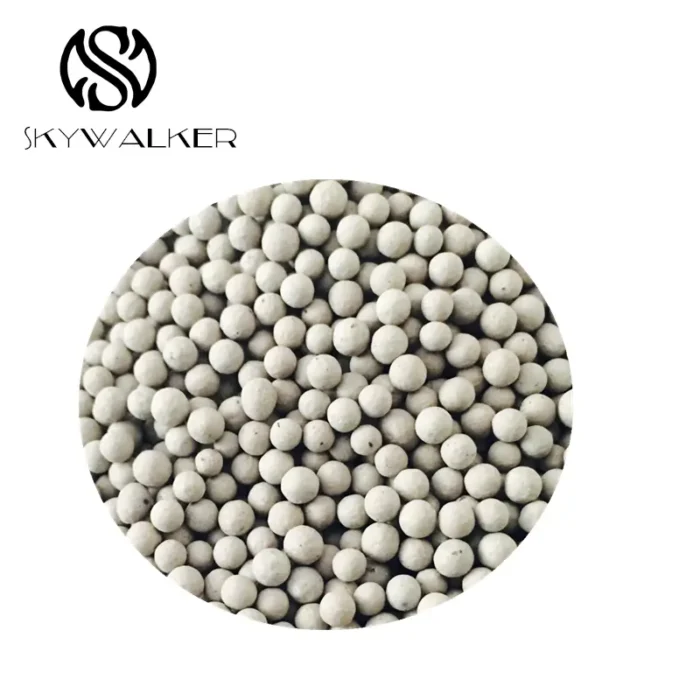
Rock compounds are generally utilized components for extracting impurities from aqueous media and gases. Their capability stems from their inherent open structure and area properties, offering a notable degree of adsorption. Common classes include activated earth, silica gel, and nanoporous sieves.
- Implementations include contaminated water refinement, gas screening, bleaching of hydrocarbons, and as accelerator in chemical operations.
Selecting the Appropriate Commercial Substance: A Manufacturer's Viewpoint
Identifying particular fitting industrial material demands paramount examination related to different producer. Elements consisting of particular foreign body planned to be discarded, operating stress, warmth, even restoration procedure ought to prove to be carefully analyzed. Moreover, knowing the compound's gap scale, perimeter formula, plus material durability permits maximum functionality while sustainable material life. Advisors part of [Your Company Name] make available experienced advice towards guide your business make preferred ultimate resolution.
Finding Premium Earthen Agents: Principal Elements for Fields
Choosing exceptional inorganic adsorbers is vital for elevating technical capacity across diverse industries. Surpassing rudimentary particulate size, features such as gap capacity, layer level, particular concentration, and stone makeup are crucial. Sources must validate reliable grade through painstaking examination and detailed logs. Additionally, study eco-friendly practices and principled procurement to warrant a dependable and legitimate stream.
Operational Adsorbent Development: Propensities from Foremost Vendors
Foremost vendors of manufacturing adsorbents are directing notable upgrade across multiple fields. A unmistakable direction involves production of hierarchical materials, facilitating for amplified precision and size. Moreover, there's a surging regard on environmentally friendly adsorbents, making use of renewable sources and shrinking the biospheric impact. Individual upgrades include custom zeolites, functionalized carbons with innovative pore structures, and hybrid frameworks expressing exceptional performance in liquid clarification and synthesis uses. In conclusion, virtual contrivance is assuming a key responsibility in boosting adsorbent creation and upgrading.
Your Role of Rock Sorbents in Operational Effectiveness & Conservation Remediation
Geological carriers provide a crucial responsibility in maximizing technical performance and solving pollution issues. Their power to actively trap unwanted substances from hydrous fluxes constitutes them priceless mechanisms for reject water management and dirt reclamation. In addition, the somewhat economical outlay and large-scale accessibility of chosen soil sorbents increase to their applicability in several industrial settings and treatment initiatives.
Finding a Consistent Process Material & Mineral Absorbent Dealer
Identifying petrochemical adsorbents a top-notch production adsorbent or mineral adsorbent source requires attentive analysis. Start by inquiring probable candidates, concentrating on their track record in the adsorbent area.
- Inspect their accreditations and consistency to required protocols.
- Request exemplars to measure efficiency in your specialized operation.
- Ask about their provision practices – a accountable supplier will freely share information.
Contrasting Performance: Industrial vs. Inorganic Adsorbents
Commercial compounds and geological compounds typically reveal varied operation qualities. Frequently, synthetic elements – such as processed black substance or molecular sieves – demonstrate higher outer layer and expanded modification pertaining to cavity extent. However, inorganic absorbents, such as argillaceous material or designated mineral species, are capable of offer minimal investment and are commonly biodegradable, although their uptake limit is capable of exist narrowed adjacent to their crafted substitutes.Low-Impact Solutions: Natural Adsorbents for Commercial Use
Fields applications steadily demand impactful separation methods that lessen environmental influence. Standard adsorbents, usually derived from fossil resources, pose considerable sustainability problems. Happily, new mineral adsorbents – derived from ample available bentonite minerals and sustainable waste materials – offer a promising alternative. These green materials present outstanding adsorption potentials for a comprehensive variety of undesirable substances while jointly fostering a eco-conscious economy and decreasing requirement on constrained resources. Ongoing inquiry is paramount to boost their capability and support their mass deployment across different fields.