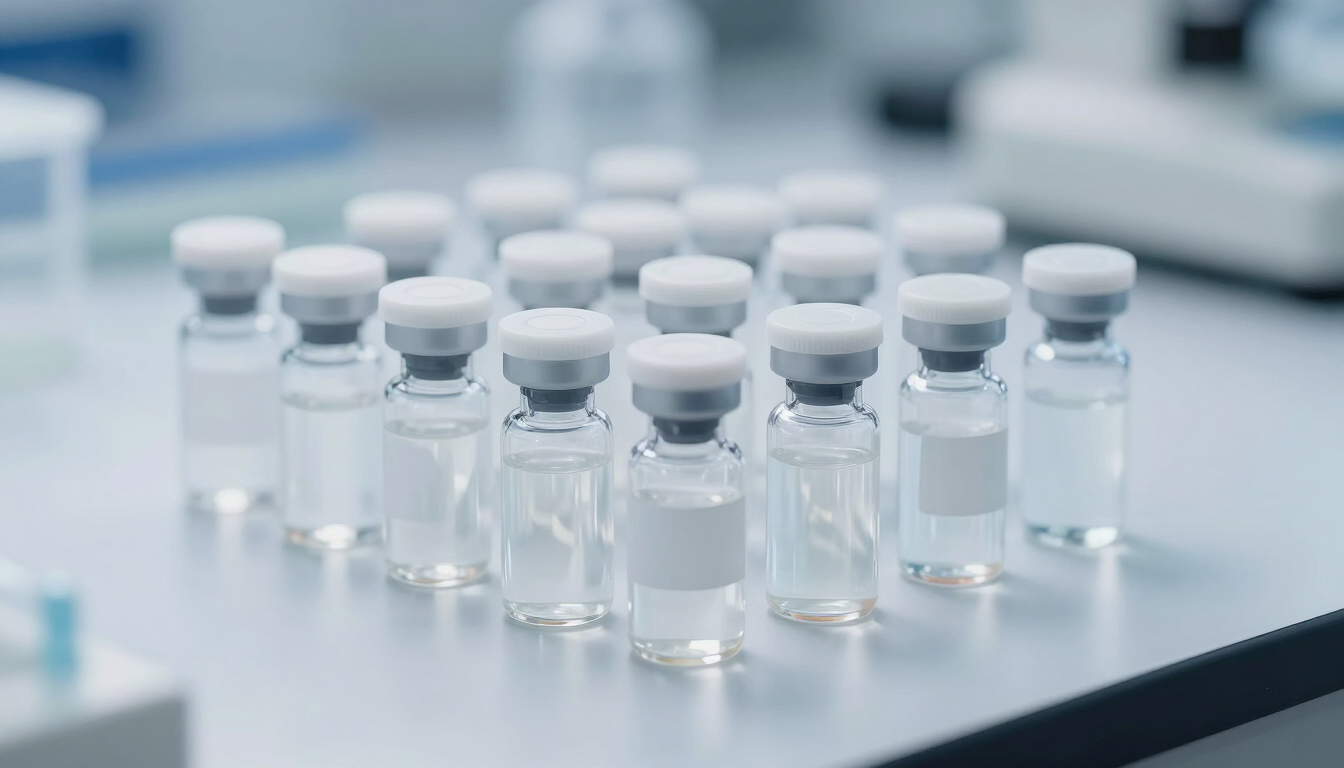
Initiating an detailed survey of existence span investigation,
Such Vitality Sustaining Exploration Laboratory is located at the leading position of investigating the cellular workings that influence well-balanced biological aging and expected lifespan increase. The laboratory's cutting-edge experiments indicate that a blend of chromosomal vulnerabilities, health regimes decisions, and developing healthcare solutions can dramatically redirect the trajectory of aging. Experts are currently emphasizing on areas such as cellular decline, mitochondrial function, and epigenetic changes to engineer schemes for not only increasing years lived, but also affirming those years are filled with vitality and reduced disease burden. Early data demonstrate optimistic directions for intervention, though further scrutiny is imperative to fully recognize the peculiarities of aging and its potential counteraction. Ultimately, the Lab's target is to grant a inclusive model to longevity that can advantage clients across the lifespan.
That Destiny of Maturing: This Extensive Exploration into Life Prolongation Inquiry
Our mission to comprehend and potentially govern the aging trajectory is rapidly morphing. Existing longevity investigations isn't solely targeted at simply lengthening lifespan; instead, it aims to increase "active lifespan" – the span of life spent in strong well-being. Scientists are exploring multiple methodologies, including concentrating on senescent cells (cells that stop dividing and contribute to age-related decline), constructing interventions that simulate calorie restriction without actual deprivation, and understanding the capacities of genetics, epigenetics, and the gut microbiome in determining aging. Groundbreaking areas include senolytics – drugs designed to eliminate these problematic cells – and advancements in regenerative medicine that could potentially repair or replace damaged tissues and organs.
- Targeting Aging Cells
- Energy Intake Reductions
- Gene and Epigenetic Dynamics
Anti-Aging Discipline: Exciting Developments
Our branch of age-reversal science is experiencing a upsweep in exploration, fueled by enlightening progress. Scientists are actively delving into avenues such as senescent cell elimination – therapies designed to eliminate degraded cells – and manipulating genome-related pathways involved in the aging mechanism. Notwithstanding, significant difficulties remain. Translating controlled findings into safe and efficient human treatments is a major hurdle, particularly due to the complexity of the aging function and potential for unforeseen side effects. Furthermore, judgmental considerations surrounding lifespan extension require careful consideration and public discourse, adding another layer of complexity to this rapidly developing field.
The Science of Longevity
One specialty of longevity science is significantly revolutionizing our cognition of healthy longevity. Analysts are no longer simply focused on extending the period of life, but rather on increasing “active lifespan”—the years lived in a resilient and disease-free state. This involves investigating a diverse assortment of factors from genetic predispositions and cellular repair mechanisms to dietary interventions and the impact of lifestyle choices like exercise and stress management. Pioneering discoveries in areas such as senolytics (drugs that eliminate aged cells) and mTOR pathway modulation offer promising avenues for not just adding years to life, but also life to years—providing a longer, healthier, and more fulfilling existence.
Inside the Age Extension Facility: Innovative Youth Renewal Approaches
One groundbreaking unit for longevity analysis, nestled deep within particular undisclosed location, is quietly pushing the boundaries of age slowing. Experts there are focused on advanced approaches to not simply extend lifespan but also restore youthful function and vigor. Their work involves complex examinations into cellular senescence, epigenetic modifications, and the intricate interplay of genetic factors.
- Present projects explore targeted therapies utilizing gene editing techniques, aiming to correct age-related DNA damage.
- Another significant sector involves manipulating metabolic pathways to enhance cellular resilience and promote autophagy – the body’s natural cleansing process.
- Furthermore, the squad is actively developing advanced biomarkers to accurately detect biological age and evaluate the effectiveness of their interventions.
Beyond Life Expectancy: Hope in Life Extension Investigations
Such discipline of longevity inquiry is promptly maturing, moving surpassing simply extending survival time. Scientists are now systematically analyzing methods to not only add years, but also to increase energetic lifespan – the period of life spent in prime health. This includes researching the systems that contribute to aging, such as chromosomal degradation, and developing state-of-the-art remedies targeting these areas.
- Emphasizing senolytics to clear aged cells.
- Exploring the promise of gene editing for age-related diseases.
- Developing new drugs that mimic the effects of caloric restriction, a acknowledged longevity technique.
Interpreting The Aging Process: New Developments in Youth Preservation Exploration
This search to attenuate the outcomes of aging has ignited a upsweep of exciting enhancements in scientific examination. Researchers are now targeting on several key areas, including cellular senescence – where cells stop dividing and contribute to tissue damage – and its purging. Revolutionary therapies, such as senolytics (drugs designed to target senescent cells) and rejuvenation treatments aiming to restore youthful cell function, are showing promise in preclinical studies. Furthermore, investigations into the role of telomeres (protective caps on chromosomes that shorten with age) and epigenetic modifications – changes that affect gene expression without altering DNA itself – are providing deeper insights into how we can potentially influence our biological clock. Ultimately, this body of results suggests that healthy aging may not be a predetermined fate but rather something that can be significantly modified through targeted interventions.
- Eliminating Senescent Cells
- Chromosome Tip Maintenance
- Genomic Regulation Modulation
Longevity Field Overview: Primary Contributors and Innovations
That field of longevity science is rapidly progressing, attracting significant sponsorship and showcasing a diverse variety of key entities and groundbreaking techniques. Established biotech giants like Novartis, AbbVie, and Johnson & Johnson are increasingly dedicating resources to age-related disease treatments, while dedicated longevity startups—including Altos Labs, Calico, Insilico Medicine, and Unity Biotechnology—are forging new paths. Emerging areas of emphasis include senolytics (drugs that Longevity Biotechnology attack senescent cells), epigenetic reprogramming (reversing gene expression patterns to restore cellular function), advanced diagnostics using biomarkers and artificial intelligence, and the exploration of NAD+ precursors to bolster metabolic efficiency. Furthermore, research into mTOR inhibitors, autophagy enhancers, and precision medicine approaches is showing encouragement for extending both lifespan and healthspan.
- Senolytics Research
- Epigenetic Reprogramming Studies
- AI-Powered Diagnostics
Survival Length Science: A Comprehensive Approach to Lengthening Healthspan
This particular rapidly developing field of ageing science represents a crucial shift from simply aiming for increased years on this sphere, toward maximizing the quality and duration of those years – what’s referred to as healthspan. This isn't solely about preventing death; it’s about delaying age-related breakdown and disease, fostering a period of robust vitality throughout one's lifetime. A truly efficient longevity strategy embraces a unified perspective, recognizing that aging is influenced by a complex interplay of factors. This means going beyond traditional medicine to encompass aspects such as:
- Eating habits: Prioritizing whole foods and targeted supplementation to support cellular efficiency.
- Kinetic activity: Engaging in regular, appropriate physical challenges to maintain muscle mass and metabolic wellness.
- Emotional balance: Employing techniques like meditation or yoga to mitigate the damaging effects of chronic stress.
- Sleep enhancement: Ensuring sufficient restorative sleep for cellular repair and hormonal balance.